The Indian Wedding Traditions to Carry With You Before You Say “I Do”
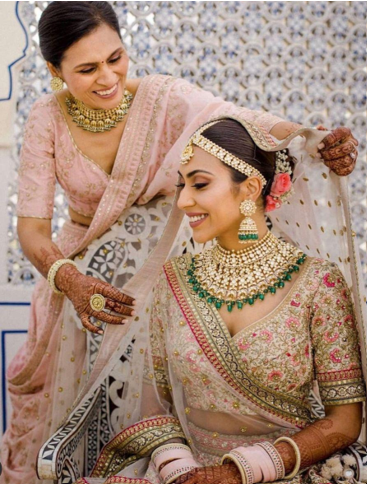
One day, if you choose to get married, your wedding may look very different from your parents.
Perhaps it will happen in a country far from where your family story began. Perhaps the people sitting beside you will speak different languages, come from different cultures, or understand India only through the stories you have told them.
Maybe your ceremony will be smaller. Maybe it will be shorter. Maybe it will blend traditions from two different worlds.
Culture was never meant to stay frozen. It was meant to travel.
But before you decide what to keep and what to leave behind, you should know why your parents and ancestors did these things in the first place.
Because an Indian wedding was never just about getting married.
It was about remembering where you came from.
The Days Before: Why You Begin Before You Begin
You might wonder why Indian weddings last for days.
Why not just walk down an aisle, exchange promises, celebrate, and start your life together?
Because your ancestors understood something important:
Big life changes need time.
You do not become a husband or wife in one moment. You slowly leave one chapter and enter another.
So they created rituals.
Moments to laugh.
Moments to cry.
Moments to prepare.
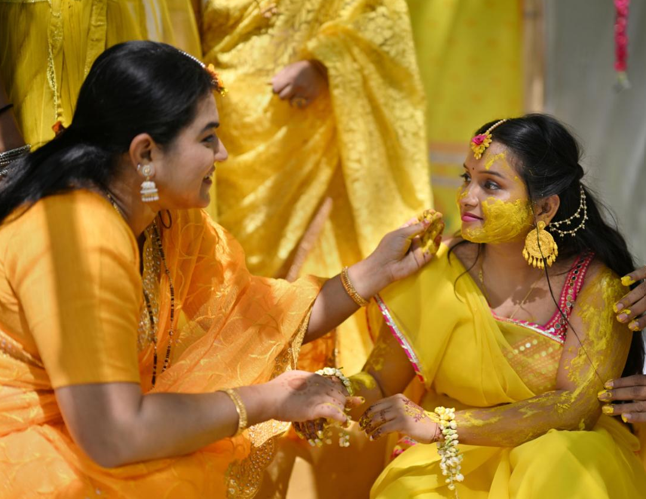
Haldi: The Hands That Bless You
If there is one ritual you should keep, it is the haldi.
Not because turmeric makes your skin glow; although your grandmother would absolutely insist it does.
Keep it because of the hands.
The hands of your parents.Your siblings.Your cousins.Your oldest relatives.
One by one, they place turmeric on your face, your arms, your hands.
They laugh. They tease you. Someone always puts on too much.
But underneath the laughter is something deeper.
Every person touching you is silently saying:
Take my blessing with you into this new life.
Across India, this ritual looks different.
In some North Indian homes, it is loud, full of yellow flowers, music, and dancing.
In some South Indian homes, it is quieter, more intimate, connected to purification ceremonies.
But the meaning is the same.
Before you step forward, your family reminds you:
You do not go alone.
Mehndi: The Stories Written on Your Hands
Mehndi night was one of the most favourite moments.
Not because of the designs.
Because of the conversations.
While the bride sits patiently as henna covers her hands, something beautiful happens.
The women gather.
Aunts tell stories.Grandmothers give advice.Friends laugh about love and marriage.
For generations, this was where women passed down wisdom.
Your mehndi may not look like mine.
Maybe you choose a simple design.Maybe you include symbols from both your cultures.Maybe you hide your partner’s initials somewhere just for fun.
The pattern does not matter.
The pause does.
Sangeet: When Strangers Become Family
If you have ever wondered why Indians insist everyone dances at weddings, even the relatives who absolutely should not dance? this is why.
The sangeet was never about perfect choreography.
It was about breaking the distance between two families.
Before your wedding, there are two sides.
Afterwards, there should only be one.
Somewhere between the embarrassing performances, old songs, and everyone arguing over dance steps, something changes.
People stop being “the bride’s side” and “the groom’s side.”
They become family.
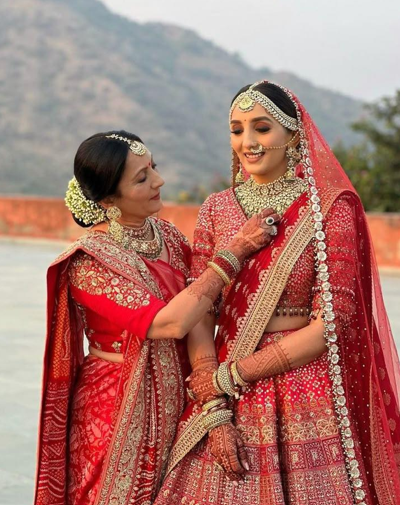
The Clothes: Wear Your History
When you look at Indian wedding clothes, you might first see the colour, the jewellery, the detail.
But look closer.
You will see history.
A North Indian bride may wear a red lehenga, because red represents prosperity, passion, and new beginnings.
A South Indian bride may wear a silk saree, perhaps a Kanjeevaram woven with gold thread.
A Bengali bride may wear white and red, with beautiful symbols painted onto her forehead.
Different regions.Different fabrics.Different colours.
But always the same idea:
You are wearing the hands of people who came before you.
If you marry abroad, you do not need to recreate everything.
Wear your grandmother’s necklace.
Carry a piece of fabric from your family.
Add one small detail that says:
“I remember.”
The Wedding Fire: Why We Walk Around Flames
At the centre of many Hindu weddings is the sacred fire.
You might wonder about the significance of the fire. Why fire:
Because fire transforms everything it touches.
Your ancestors believed promises made in front of fire were witnessed by something pure and eternal.
During the pheras, the couple walks around the fire together.
Think about that.
Not standing still.
Walking.
Because marriage is movement.
You will change. Your partner will change.
The promise is not:
“We will always stay the same.”
The promise is:
“We will keep walking together.”
Seven Steps, Seven Promises
The saptapadi; the seven steps, is one of the most beautiful rituals.
Each step represents a hope:
May you nourish each other.
May you be strong together.
May you create prosperity.
May you find happiness.
May you care for family.
May you live in harmony.
May you remain companions.
Long before modern wedding vows, your ancestors understood that:
Love is not only something you feel.
It is something you practise.
Not All Indian Weddings Look Like The Same
India is not one story.
A Punjabi wedding arrives with the sound of the dhol and a dancing baraat.
A Tamil wedding wakes early in the morning, filled with temple traditions and the tying of the sacred thaali.
A Bengali wedding has the beautiful shubho drishti, where the bride and groom see each other in a symbolic first glance.
A Gujarati wedding brings garba, colour, and community.
Different languages.
Different rituals.
Different ways of saying the same thing:
We bless this union.
The Food: The Taste of Belonging
Years from now, you may forget some details of weddings you attended.
But you will remember the food.
The smell of spices.The sweets passed around.The relatives insisting you eat more.
Food is how we show love.
A wedding meal is not simply feeding guests.
It says:
“You are part of our happiness.”
Whether it is biryani, dosa, dal, mithai, payasam, or your own version of everything mixed together, the meaning remains.
How to Carry These Traditions When Home Is Far Away
Maybe you will marry somewhere your ancestors never imagined.
Maybe the flowers will be different.
Maybe the priest joins by video.
Maybe half the guests cannot pronounce the rituals correctly.
Culture is not kept alive because everything stays identical.
Culture stays alive because someone cares enough to carry it forward.
So keep the moments that matter.
Have someone bless you.
Wear something connected to your family.
Play the songs you grew up hearing.
Serve one dish that tastes like childhood.
Explain the rituals to those who do not know them.
Invite people in.
That is how culture survives.
The Thread We Carry
Your wedding does not need to look like your parents and you do not need every ritual repeated perfectly.
Tradition should never feel like a cage.
It should feel like a thread.
A thread connecting you to people whose names you know, and many whose names you never will.
Wherever you build your life, remember this:
Home is not only a place.
Sometimes it is a song.
A recipe.
A piece of jewellery.
A blessing.
A ritual.
A moment when you realise that even though you have travelled far,
you are still carrying everything that brought you here.
Comments